How Mercury UV Lamps Actually Work in Your Textile Shop
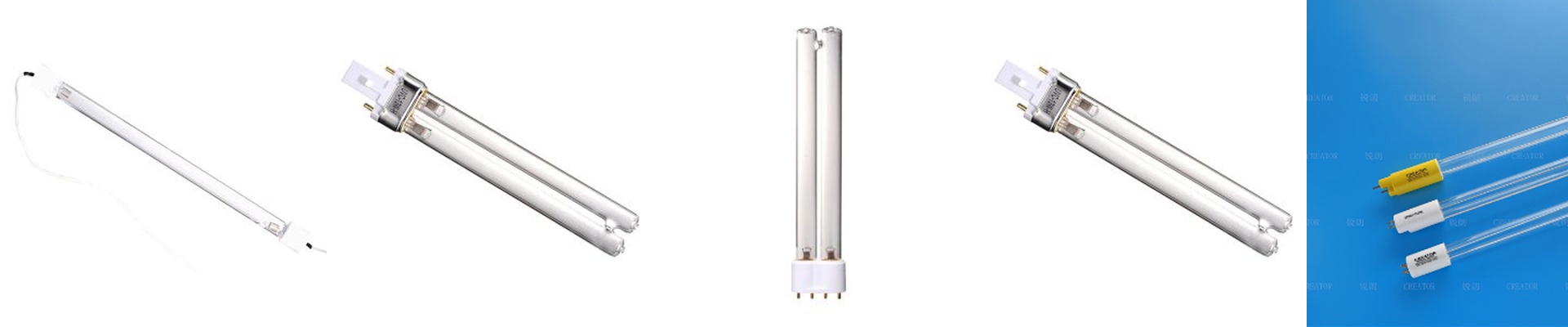
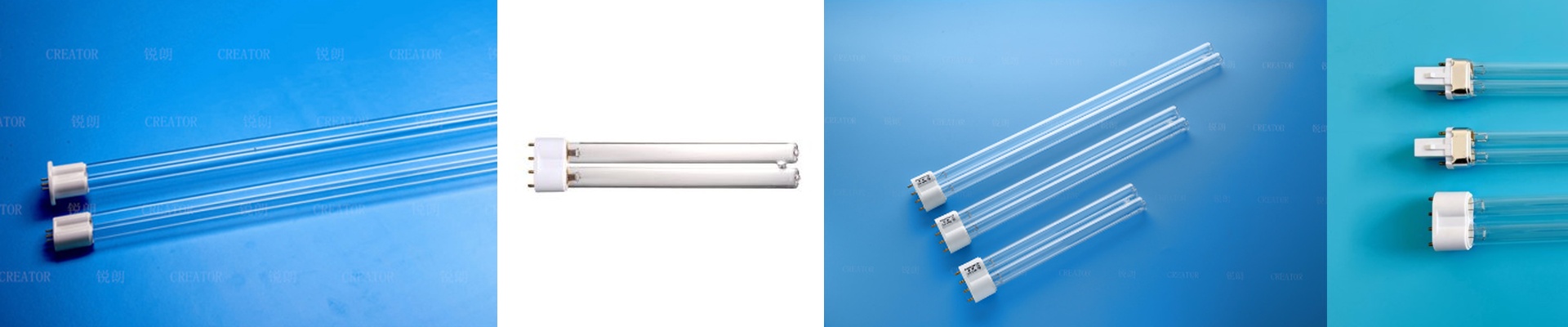
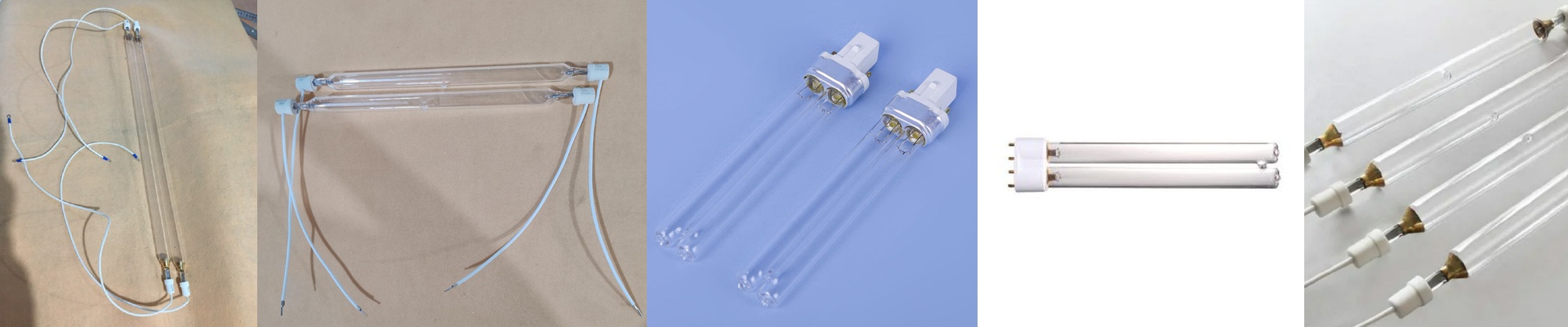
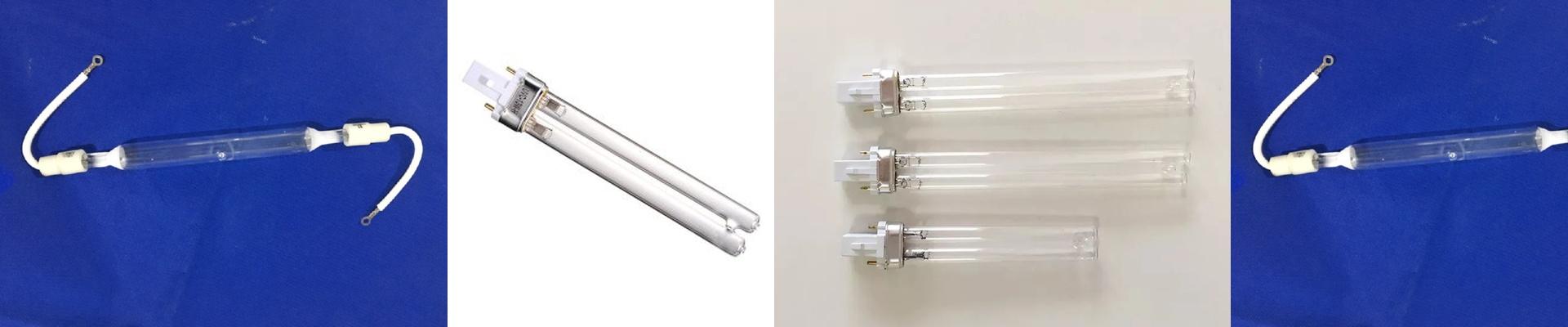
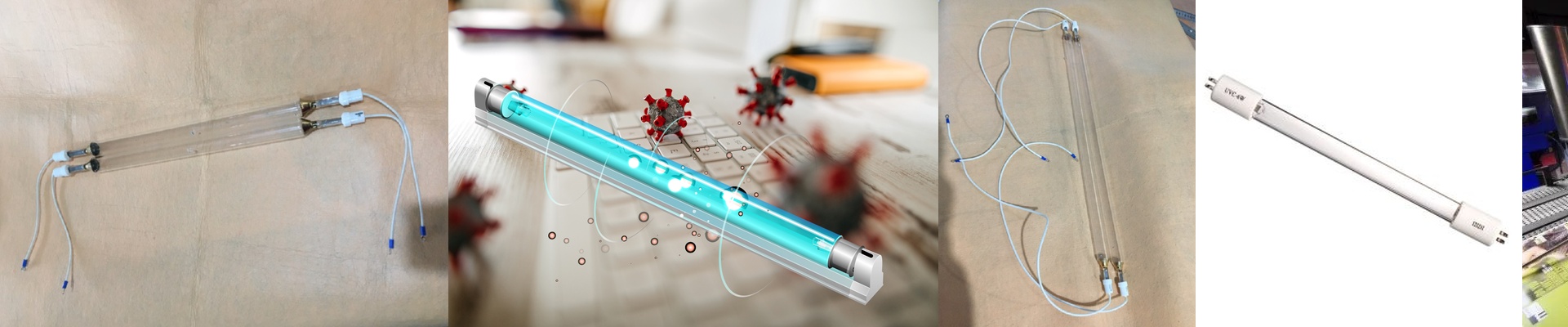
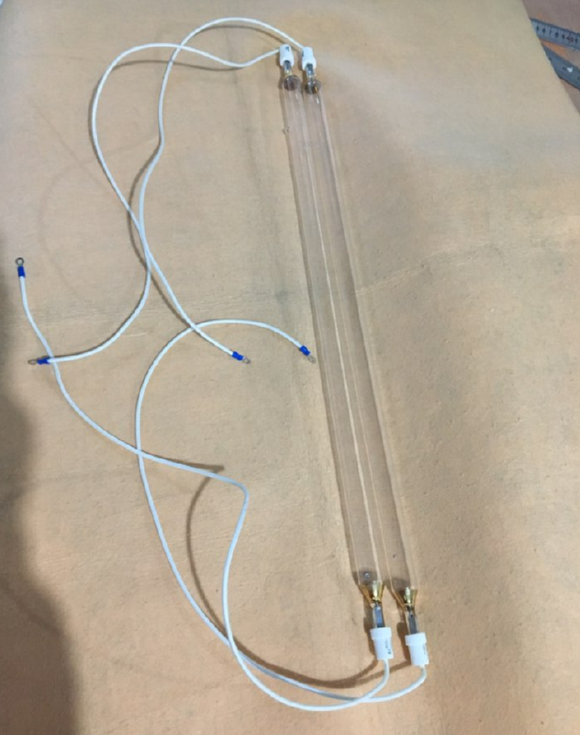
Ever wonder how we get from a raw roll of fabric to a finished garment without spending half the day waiting for ink to dry? It’s all about UV curing. It’s the invisible heavy lifting of the production line. We use industrial mercury UV bulbs to trigger a reaction in the inks, coatings, and adhesives. Without them, your line basically crawls to a stop while you wait for air-drying. Nobody has time for that. The nitty-gritty of the physics Here’s the thing: mercury vapor lamps work by exciting mercury atoms with an electrical discharge. That creates a punch of high-intensity UVC and UVB light. When we pick out these bulbs, it all comes down to how thick your coating is and how fast you need it to set. High-wattage tubes give you that raw energy density needed to “snap” a coating in a matter of seconds. But you have to play a balancing act with your conveyor speed. If you push the belt too fast for the lamp’s output, you’ll end up with a tacky, sticky finish that’s a nightmare to handle. Getting the hardware right Since most textile setups deal with wide fabric rolls, we usually go with long-form tubes. This keeps the exposure even across the whole width. One big tip: buy these in wholesale batches. You want spectral consistency across your entire curing tunnel. If you start mixing and matching bulbs from different manufacturers, you’ll likely see “striping” in the cure. It looks unprofessional and ruins the batch. And don’t skimp on the ballasts. Mercury lamps are picky about voltage. If your power dips, your UV intensity drops. That means uncured chemicals and a whole lot of wasted fabric in the trash. Real talk: The shop floor These lamps gethot. Like, really hot. High-output mercury bulbs throw off a ton of infrared heat along with the UV. If your cooling fans aren’t up to the task, you’re looking at scorched fabric or a warped lamp housing. Also, keep an eye on the quartz envelope. Look for “solarization”—that’s when the glass starts looking cloudy as the bulb gets old. Once it clouds over, the UV can’t penetrate the coating properly. When you see that haze, it’s time to swap it out for a fresh one.