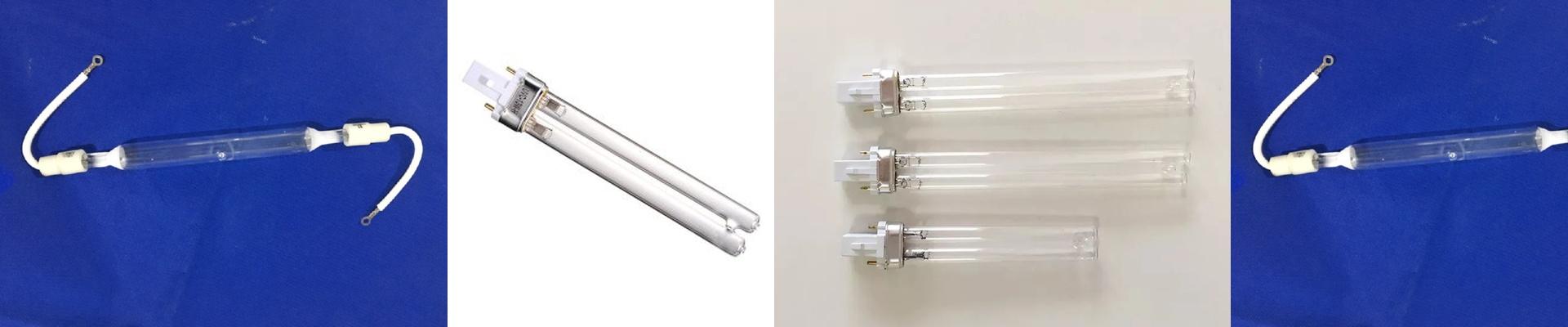
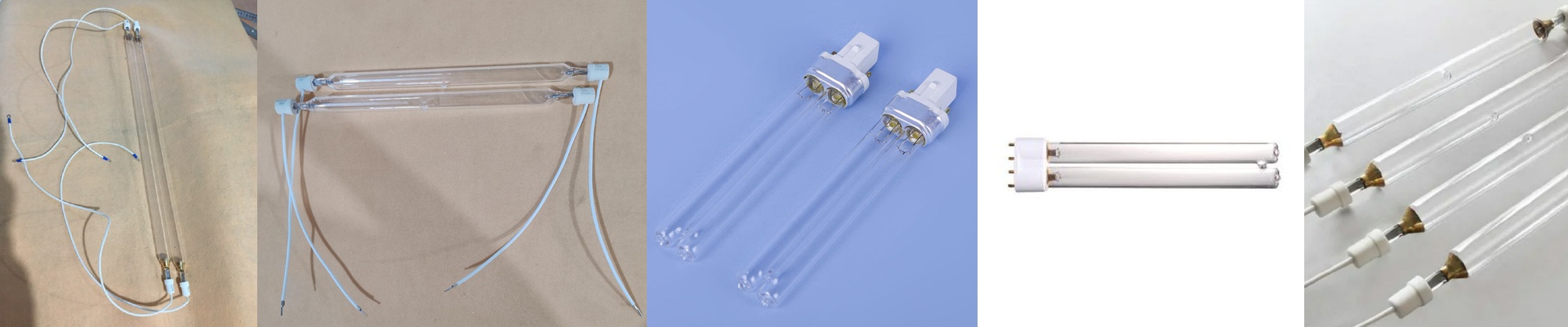
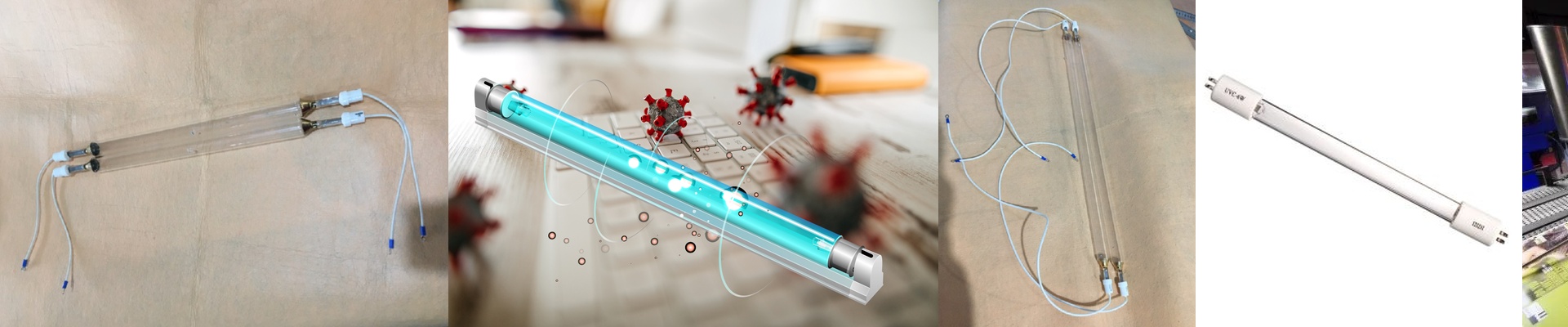
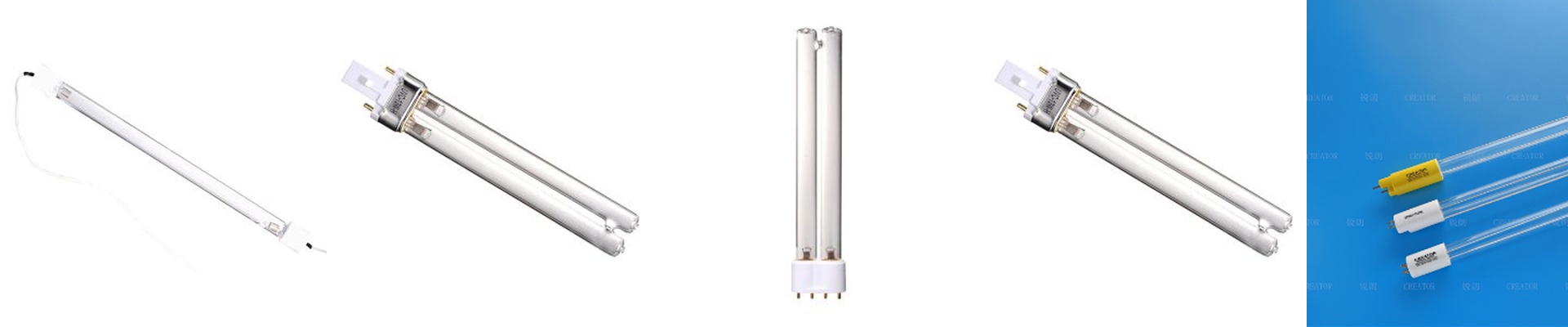
Getting the Most Out of Your Mercury UV Bulbs
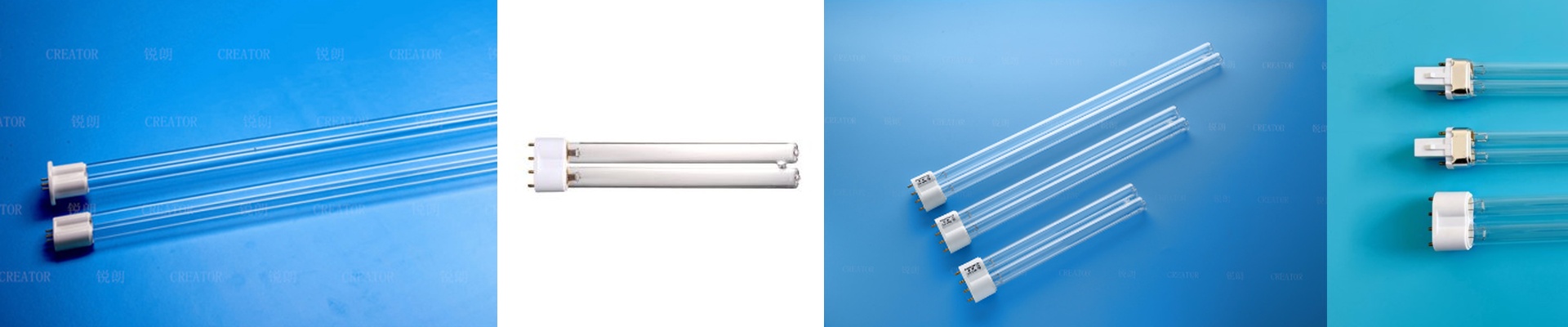
Let’s be honest: mercury UV bulbs are the unsung heroes of the factory floor. They do the heavy lifting, turning electricity into that short-wave UV light that makes your inks, coatings, and glues snap from liquid to solid in a heartbeat.
How the Magic Happens
Inside the bulb, we’ve got a low-pressure mercury vapor arc doing the work. Most of the energy hits that 254nm sweet spot, but we can tweak the quartz and the internal pressure to match whatever chemistry you’re running. When you hook these up to a high-frequency ballast, things get steady. But here’s the thing: it’s not just about how “bright” the light looks. It’s about spectral density. If you go too low on the wattage, your line slows to a crawl. Go too high? You’ll start scorching your materials. It’s a delicate balance.
The Trade-offs (and the Heat)
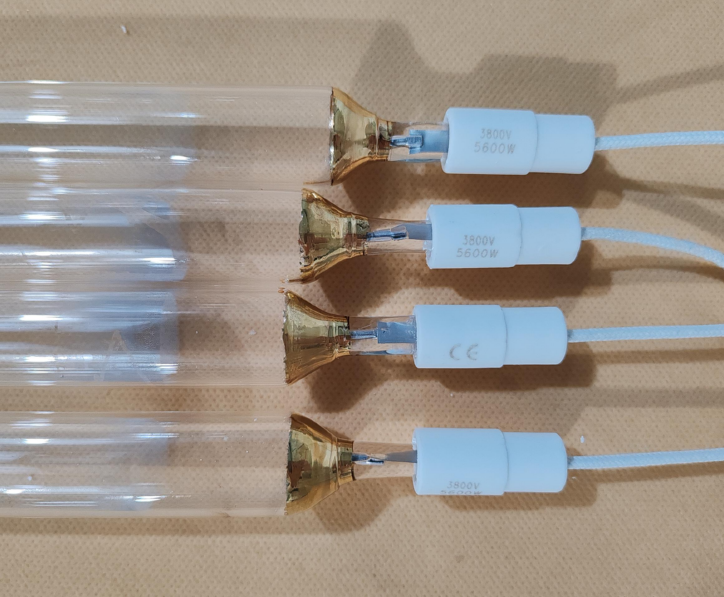
These bulbs get incredibly hot. Like, “melt-your-face-off” hot. That’s why we use high-purity fused silica for the envelope. It keeps the tube from cracking when the temperature swings wildly. But there’s a catch. If you try to cram more power into a smaller bulb to speed up your curing, you’re putting a massive heat load on the reflector. If your cooling system isn’t up to the task, your electrodes will degrade and the bulb will burn out way faster than it should.Keep them cool, and they’ll last.
Smarter Curing
The days of “set it and forget it” are pretty much over. We’re seeing a move toward systems that actually talk back to you. Instead of just guessing or relying on a timer, you can use sensors to track exactly how much energy (mW/cm²) is hitting the part in real-time. If the intensity drops, the system can just slow down the conveyor or bump up the power automatically. No more guesswork on the shop floor. You get the same cure depth on the first part of the shift as you do on the last, even as the lamp gets older. It just makes life easier.