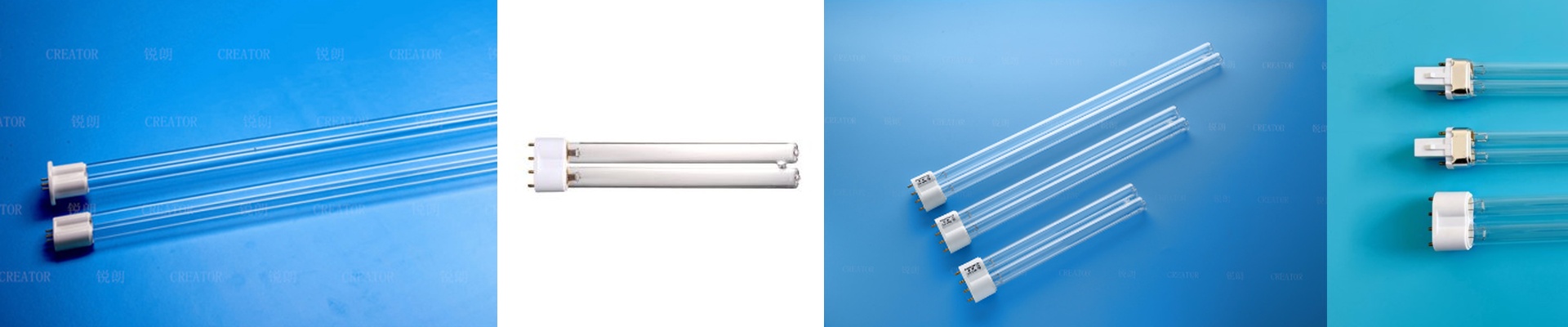
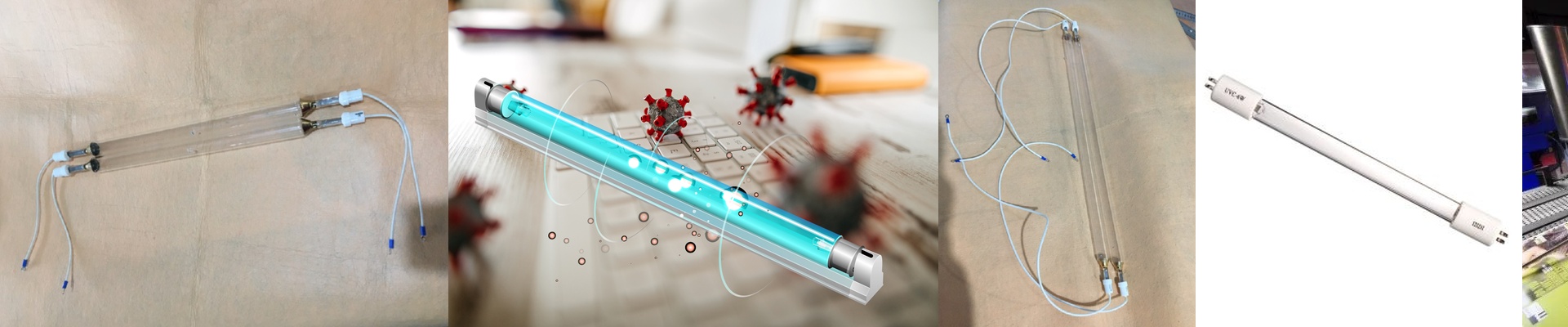
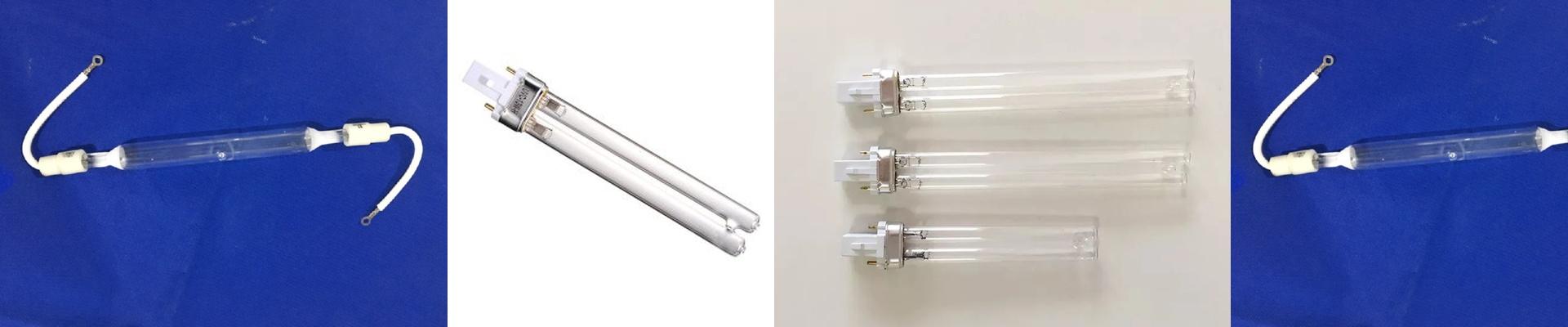
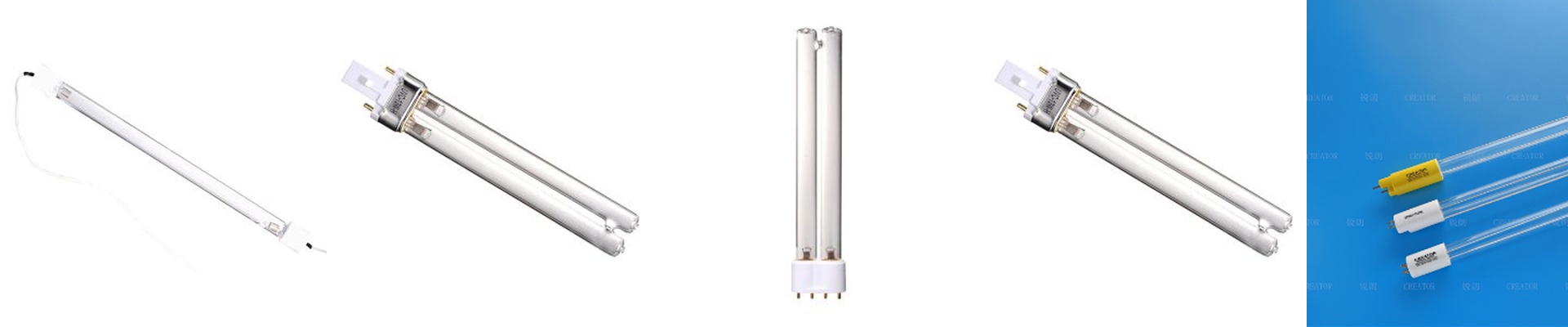
More Than Just a Sticker: Why CE Certification Actually Matters for Your UV Lamps
When you’re buying mercury UV bulbs in bulk, that little CE mark can feel like just another piece of paperwork. Something to check off a list. But here’s the thing: for those of us making these lamps, that mark is the difference between a smooth operation and a total nightmare. It’s what keeps your ballast from blowing up and ensures you aren’t leaking hazardous junk all over your production line.
What’s actually happening under the hood
Mercury UV lamps are basically high-pressure cookers. They deal with extreme heat and intense pressure. If a lamp isn’t built to handle voltage swings, it’ll burn out in a few weeks. That’s a disaster when it’s supposed to last for thousands of hours. We spend a lot of time obsessing over the quartz glass and the electrodes to make sure everything stays stable. We aren’t just “making a bulb.” We’re making sure the power draw stays exactly where it should. If that drifts, your power supply takes the hit. And that’s a repair bill you don’t want.
Avoiding the headache
You can’t just toss uncertified lamps into a factory in Europe or North America. Customs might flag them, sure. But the real problem? Your site engineers will hate them. They want to know the UVC output is steady. If the irradiance swings by even 5%, you could be looking at a contaminated batch of product. It’s a huge risk. CE certification is just our way of proving that every single bulb we ship works exactly like the last one.
The real cost of “cheap”
Look, certified lamps cost more to make. The testing and audits add up. But that’s the price of sleep. I’ve seen people go for “grey market” bulbs to save a few cents, only to have an electrical short fry their entire curing array. You saved a tiny bit of money on the bulb, but you killed the whole line. We build to these standards so you can just plug them in, flip the switch, and forget they even exist. That’s how it should be.