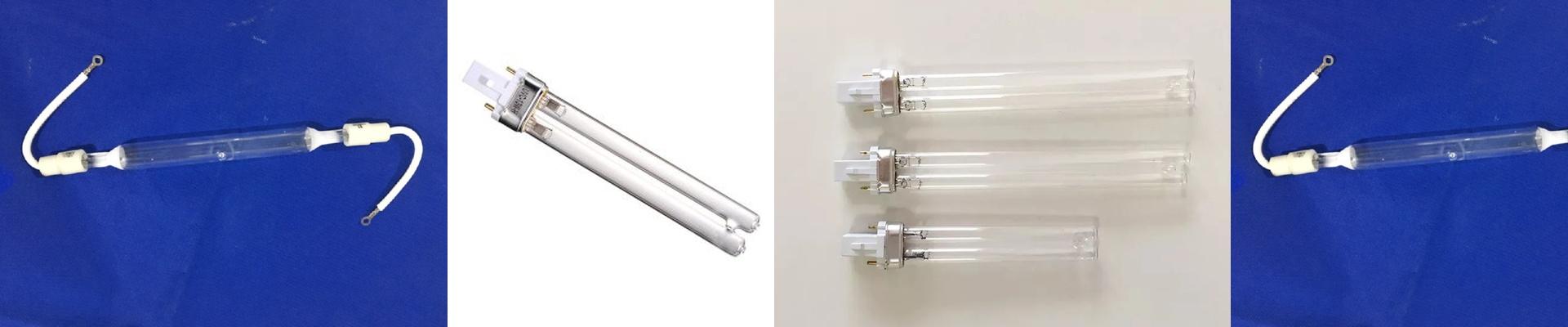
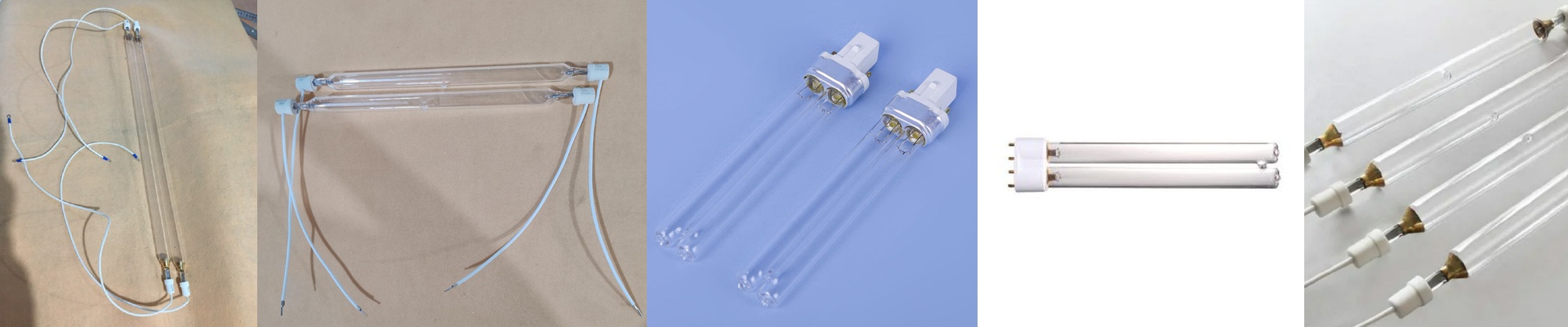
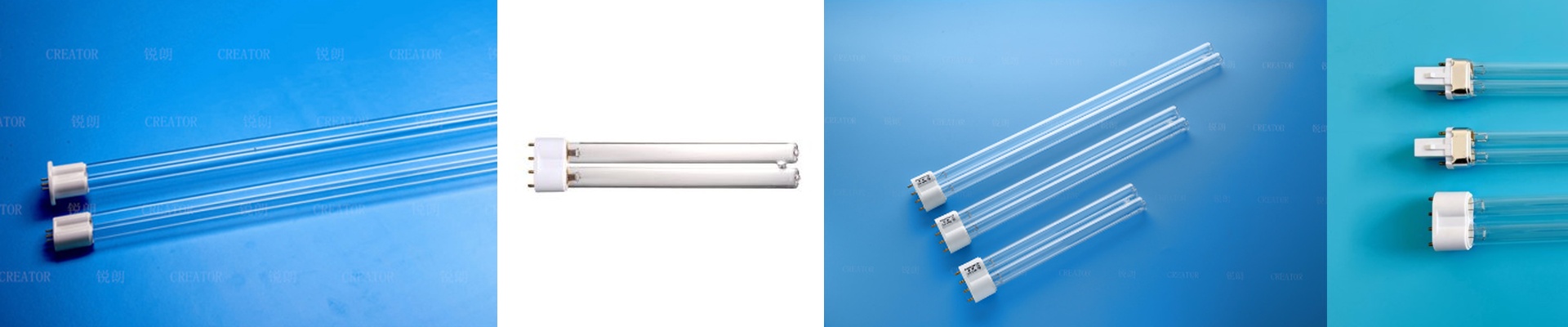
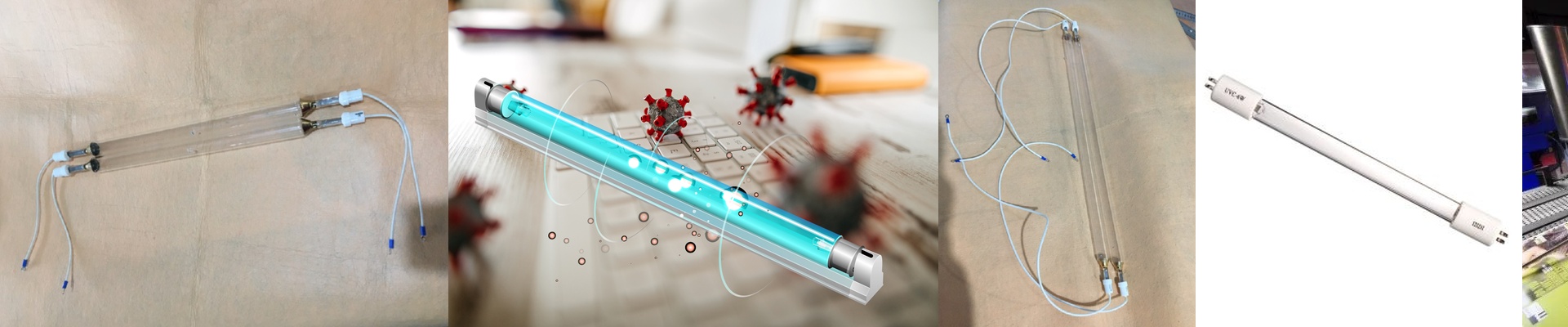
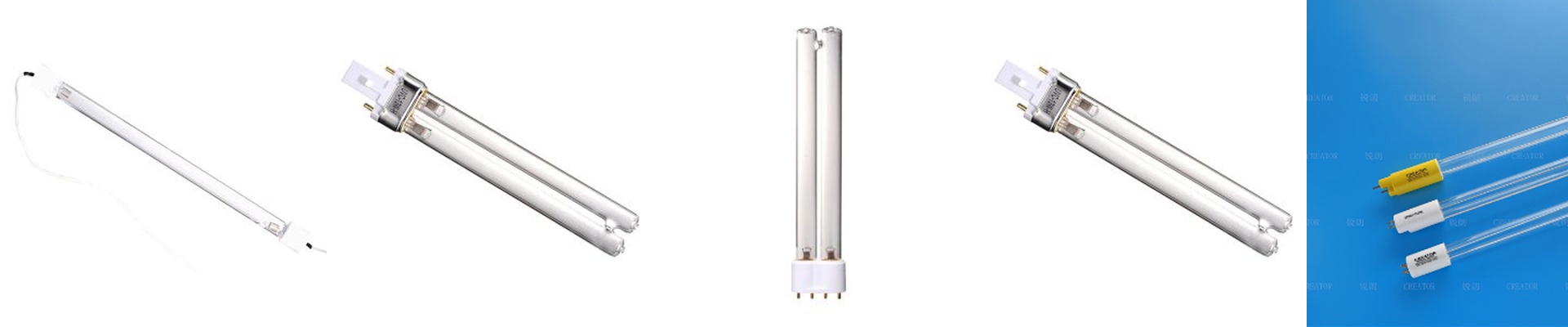
Getting the Wavelength Just Right
We don’t just put together lamps. We’re really in the business of managing photons. Looking toward 2026, the industry is moving away from those broad-spectrum UV lights. Everything is about extreme, narrow-band precision now. If you’re setting up a cleanroom or a semiconductor line, you know the stakes. A tiny slip—even 5 nanometers—and you’ve just trashed an entire batch of wafers. That’s a lot of money gone in a blink.
The trick to narrowing the spectrum
Here’s the thing: most UV lamps you buy off the shelf “leak.” They let out wavelengths you don’t actually want. To stop that, we play around with specific dopants in the quartz and get really picky about the gas mixtures inside the arc tube. By tweaking the pressure and the electrode materials, we force the lamp to hit one specific peak. It means you get the energy exactly where it needs to be. No “over-curing,” no accidental heat damage to your substrates. Just clean, targeted power.
Dealing with heat and wear
High-output UV lamps take a beating. They run hot and they run hard. We use high-purity synthetic quartz because it doesn’t “solarize.” In plain English? The glass won’t turn brown over time and start blocking the UV output. But there’s a catch. When you push for that razor-thin wavelength peak, the lamp head gets hotter. If you’re running at max wattage, you’ve got to make sure your cooling jacket can handle the spike. If it can’t, the quartz will warp. Simple as that.
Making it work in the real world
We build these to be drop-in replacements. Whether you’re wiring up a brand-new curing line or just upgrading an old photolithography rig, the footprint stays the same. No need to rebuild your entire setup. The real win, though, is the stability. A lamp that starts drifting after 100 hours is basically a paperweight in a precision lab. That’s why we calibrate every single unit. We make sure the irradiance stays flat and steady across the entire length of the tube, from end to end.