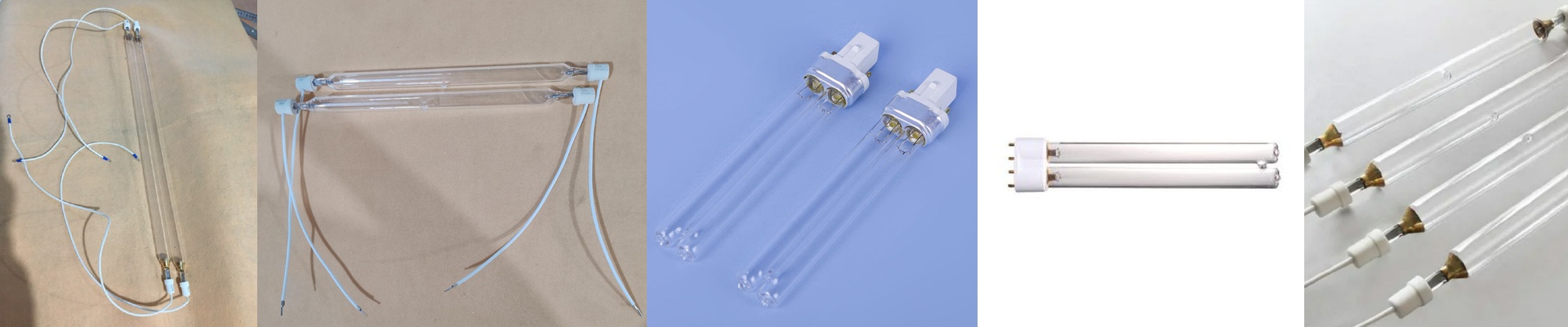
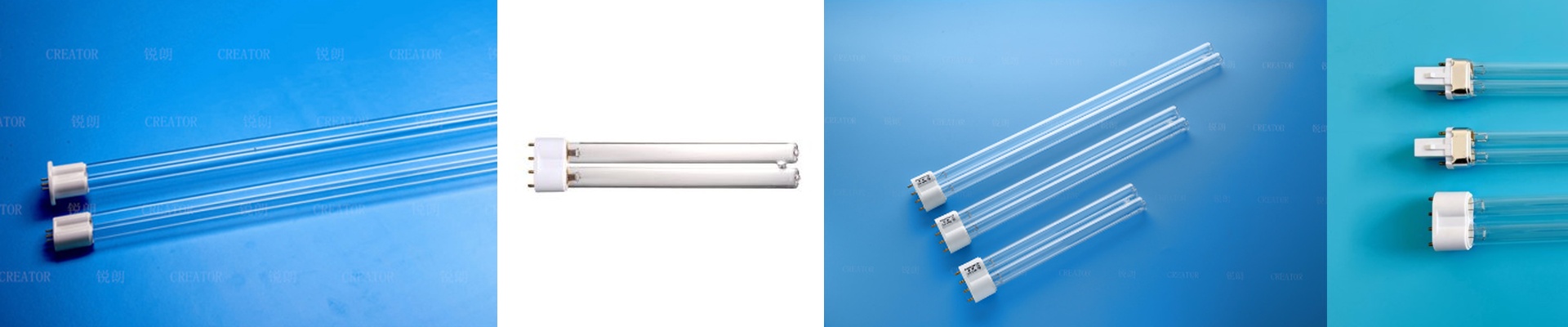
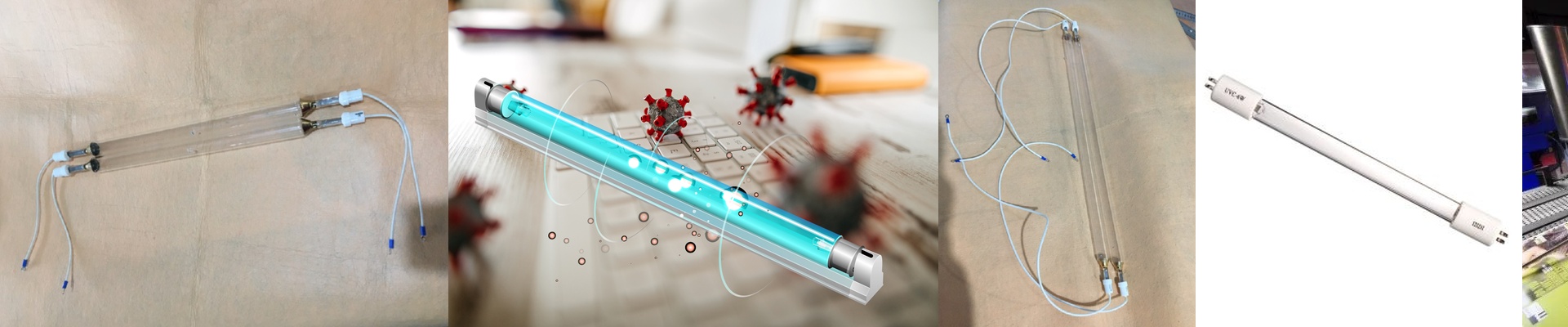
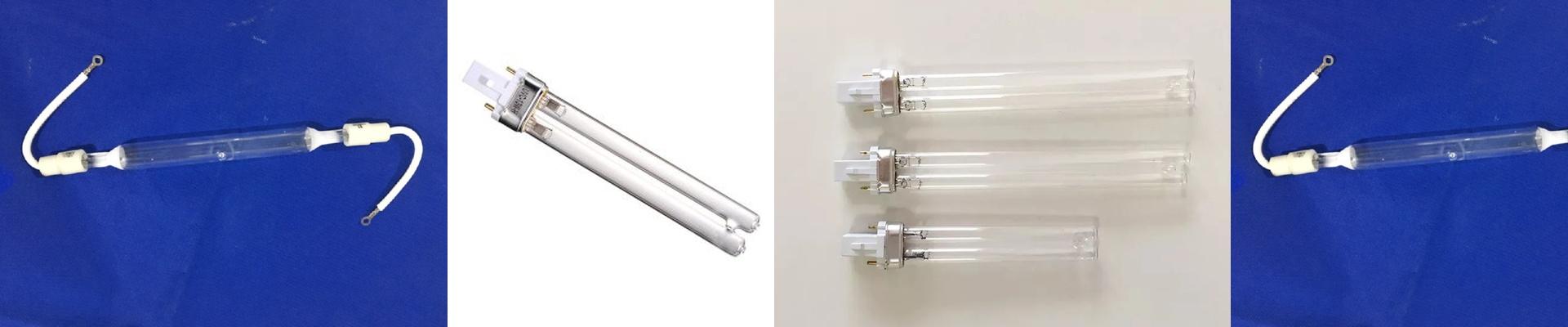
Getting Your UV Wavelength Exactly Right
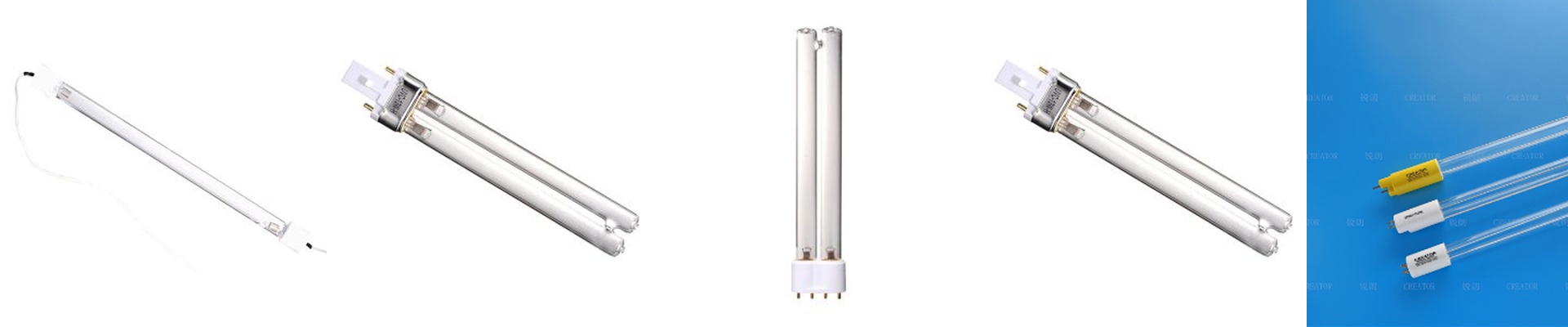
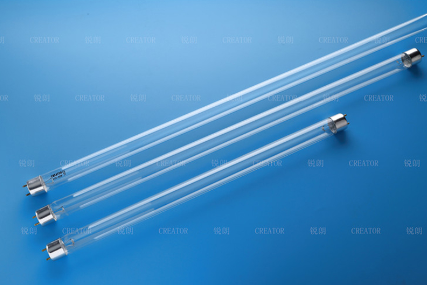
Most UV lamps you’ll find from wholesalers are kind of a “catch-all.” They throw out a broad spectrum and hope for the best. We don’t work like that. Our team spends its time obsessing over narrow-band output. Why? Because when you’re curing an adhesive or scrubbing a surface clean, precision is everything. A tiny 10nm shift in wavelength might not sound like much, but it’s the difference between a perfect, rock-solid part and a sticky, ruined mess on your floor. The secret is in the build. We tweak the gas mixture and use incredibly pure quartz envelopes to hit those exact peaks—like 253.7nm for killing germs or specific UVA peaks for photo-initiators. We use high-purity synthetic quartz because cheap glass actually eats the UV energy before it even leaves the tube. Plus, low-grade glass makes the lamp run way too hot, which kills your output. Then there’s the heat. High-intensity UV gets hot. Really hot. We balance the wattage so your electrodes don’t just burn out and leave you hanging. But here’s the thing: you’ve got to match your ballast settings to our specs. I know it’s tempting to over-drive a lamp to get more “punch,” but that’s a trap. You’ll get a bit more irradiance, sure, but you’ll be swapping out dead lamps twice as often. It’s just not worth the headache. Putting them to work. We designed these to be simple drop-in replacements for your existing industrial arrays. No fuss. We even spec’d the connectors for high-voltage stability so you don’t have to worry about arcing at the base. Just do me a favor: check your cooling fans. If your airflow is weak, the quartz will solarize, and your UV output will tank. We’ll give you the raw spectral data, too. That way, you can calibrate your sensors and make sure your line speed actually matches your curing rate. No guessing games.