Why Custom UV Lamps Actually Matter in Your Textile Mill
Most people think UV lamps are just for drying ink. But if you’ve spent any time on a factory floor, you know they’re more like the invisible engine keeping the whole place running. From treating raw fibers to the final touch on a garment, these lamps do the heavy lifting. We build ours to hit very specific wavelengths. Why? Because that’s what triggers the chemical bond in your coatings and dyes. It’s the difference between a finish that stays put and one that peels or fades the moment it hits a customer’s hands.
Getting the Power Right
Here’s the thing: one size doesn’t fit all. A standard 400W lamp is fine for light curing, but if you’re running a high-speed garment line, you can’t afford to slow down the conveyor just to get a decent cure. You need more wattage to keep the line moving. But there’s a catch. If you crank up the intensity to save time, you’re creating a lot of heat. We use thick quartz glass to handle that thermal stress, but your cooling fans have to keep up. If the housing overheats, your electrodes will fry, and you’ll be replacing lamps way sooner than you should.
No More “Making It Fit”
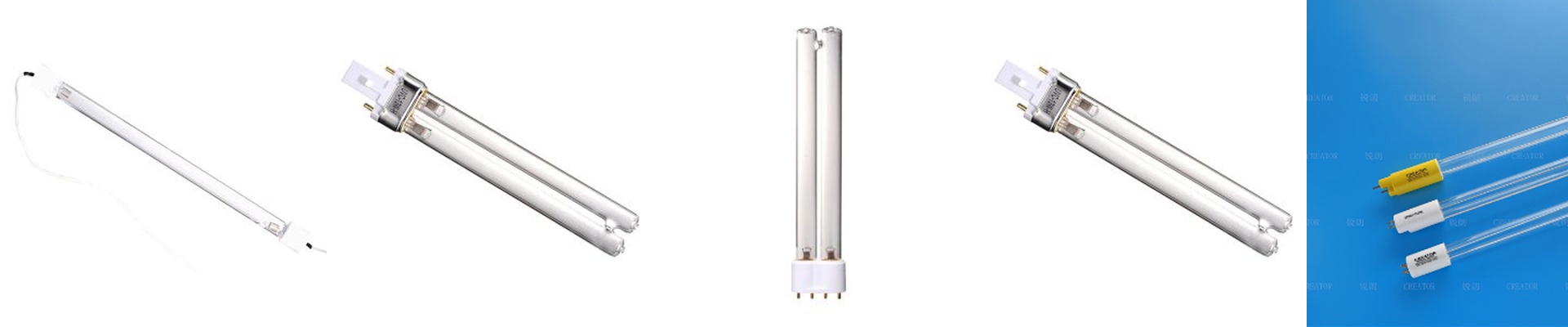
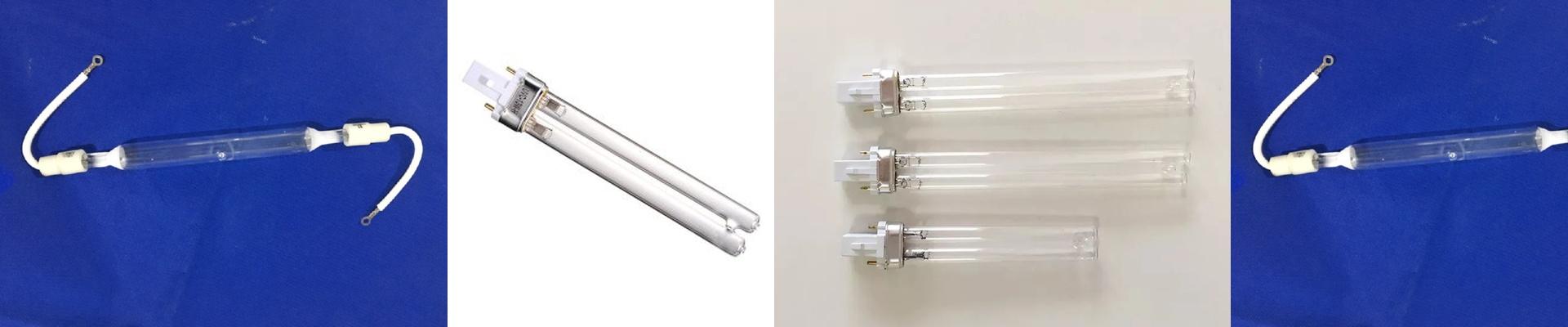
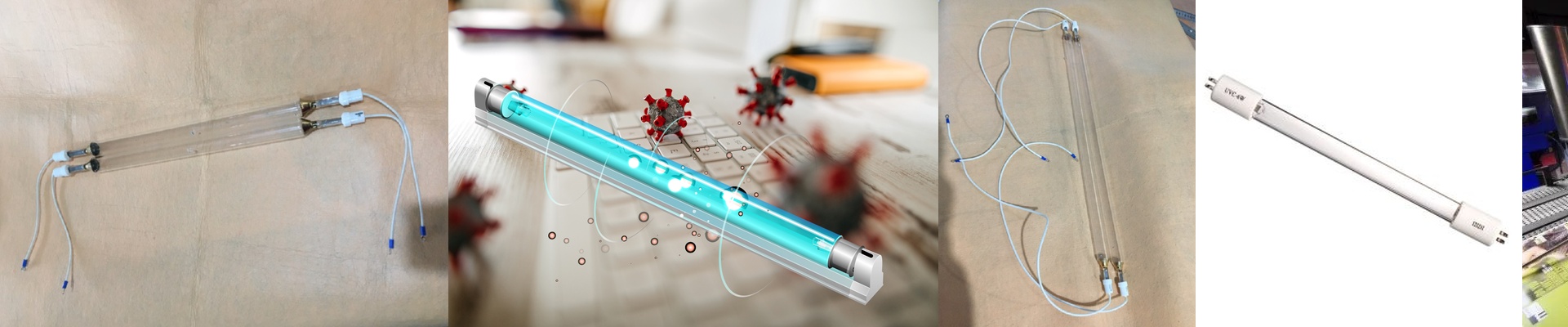
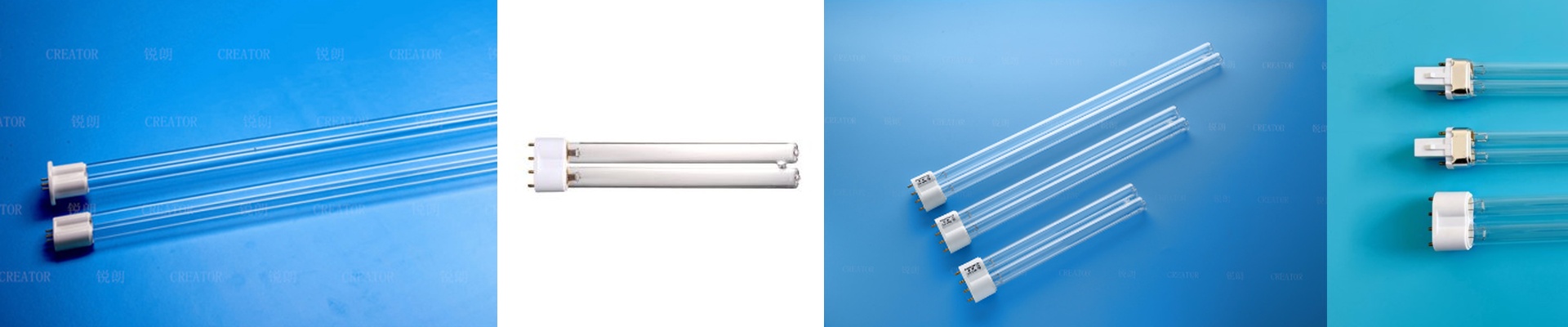
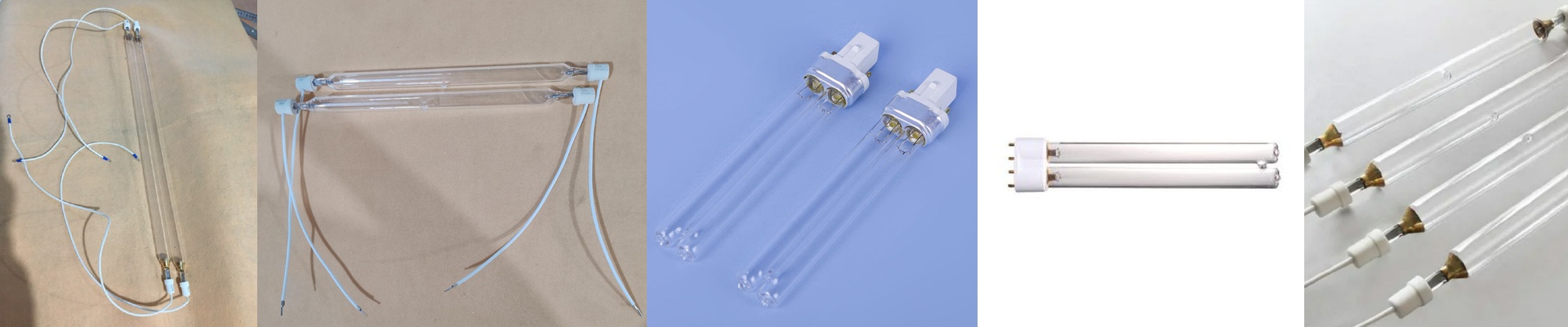
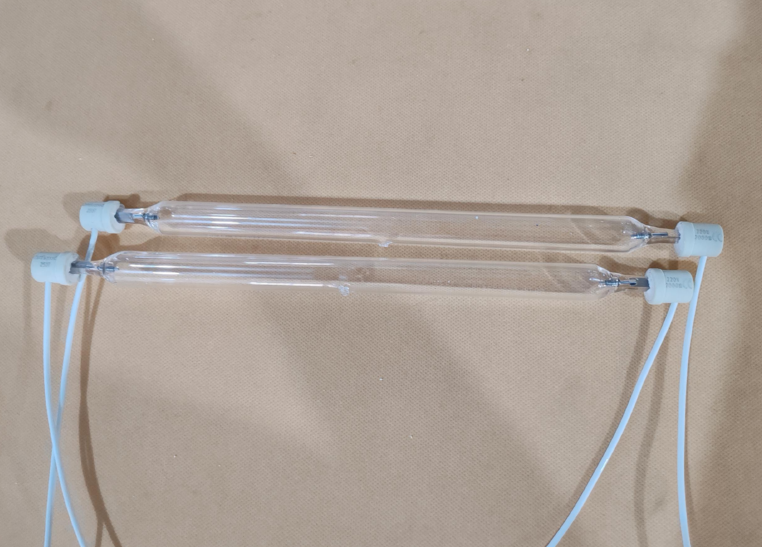
Let’s be honest—off-the-shelf tubes are a pain. They rarely fit custom machinery perfectly. That’s why we customize the length and the end-caps. We want you to be able to just drop a new lamp in and get back to work without having to rewire your entire rack. We use high-purity fused quartz to make sure as much UV light as possible actually hits the fabric. And for the really tricky stuff, we can coat the glass to shift the light spectrum. It’s a bit of a science, but it ensures the light hits the exact chemical initiators in your dyes.
The Balancing Act
You’ll see these lamps everywhere—from digital printing where ink needs to set instantly, to synthetic fiber lines. But it’s always a trade-off. You’re balancing cure speed against the temperature of the fabric. If you’re not careful, a high-output lamp can scorch delicate materials if they stay under the light too long. It takes a bit of tinkering with the lamp height and the belt speed to find that sweet spot. You want the dye locked in tight, but you want the fabric to feel exactly how it’s supposed to.